Hair has always been part of a woman’s identity, a form of expression, a confidence booster, and sometimes even a love language to herself.
Braids, ponytails, wigs, sew-ins, locs, cornrows, silk presses, the versatility is beautiful. We enjoy switching from one look to another and celebrating every era of our hair.
But behind the sleek finishes, perfect installs, and camera-ready styles, there is a truth many women don’t talk about enough: sometimes the hairstyles we love the most are the ones hurting our hair the most.
Not every “protective style” protects. Some protect only the look, not the hair beneath. And because hair damage doesn’t always happen overnight, it’s easy to ignore the warning signs until they become impossible to hide.
What Makes a Hairstyle “High-Tension”?
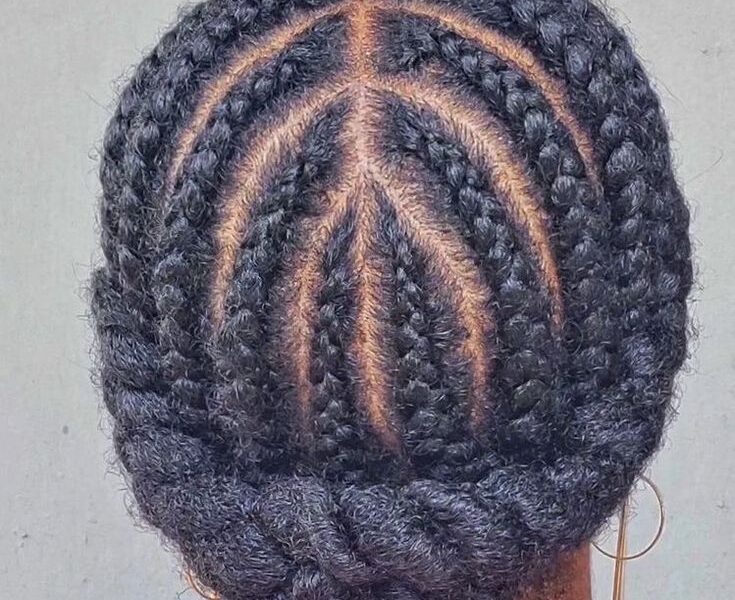
A high-tension hairstyle is any style that pulls tightly on the scalp and hair strands for long periods. It looks neat and polished, but the pressure happening beneath the beauty is the real issue.
High-tension hairstyles include:
- Very tight braids or cornrows
- Braids installed too close to the edges
- Heavy box braids or weighted twists
- Ponytails and buns pulled aggressively backward
- Frequently glued or tightly installed frontal wigs
- Sew-ins that tug constantly at the hairline
The problem isn’t the style itself, but the amount of force applied to the follicles, especially around the hairline, temples and nape.
Over time, that stress weakens hair follicles and leads to breakage, thinning edges, receding hairline and in severe cases, traction alopecia, a form of hair loss that can become permanent if ignored for too long.
Read Also: A Natural Haircare Secret Every Woman Should Know
The Warning Signs We Often Brush Off
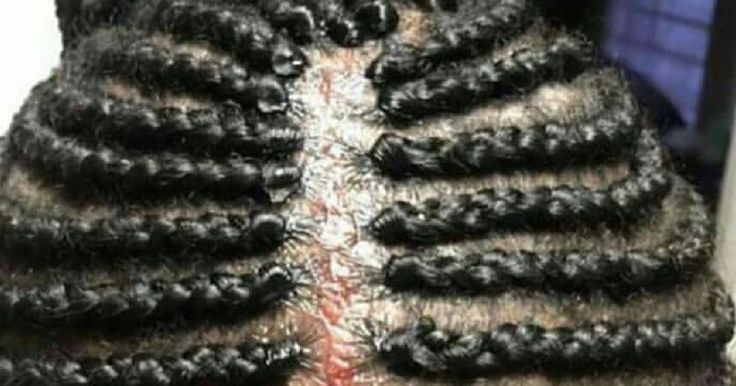
Many women were raised to think tight styles equal “neat” or “lasting longer.” So discomfort became normal. But pain is not a sign of longevity, it’s a sign of damage.
These warning signs should never be ignored:
- Pain during installation
- Scalp tenderness days after styling
- Tiny bumps along the hairline
- Redness or inflammation around parts or edges
- Headaches after tying a scarf or styling
- Breakage concentrated around the front of the head
- Hair suddenly shorter or thinner at the edges
When your hairstyle affects the way you sleep, hold your head or manage your day, it’s not protective anymore.
Why We Ignore Hair Pain
A lot of women don’t speak up in the salon because:
- They don’t want to seem dramatic
- They don’t want to offend the stylist
- They’re scared the hairstyle won’t “last”
- They’ve normalized pain and discomfort
- Beauty sometimes feels like it requires sacrifice
But long-term healthy beauty is not supposed to hurt. You’re not “too sensitive” for wanting a hairstyle that looks beautiful without causing pain. You’re protecting your scalp, your hairline and your future hair health.
Read Also: Natural Hair Growth Tips
How to Enjoy Styling Without Losing Your Hairline
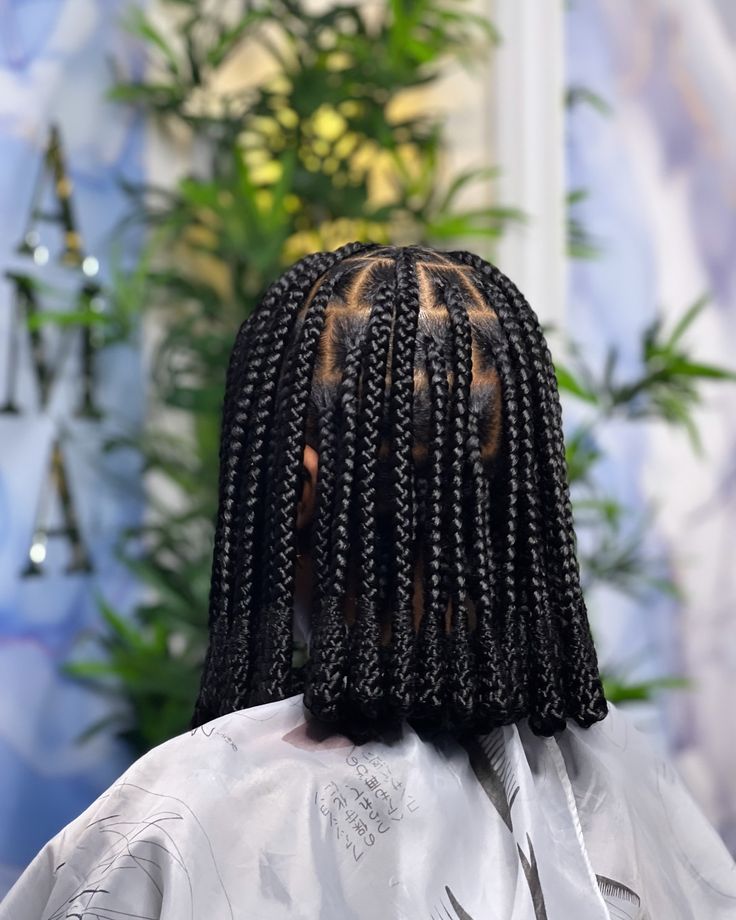
You don’t need to stop doing the hairstyles you love, you just need balance and a bit more strategy.
Smart hair-health reminders:
- Tell your stylist immediately if anything feels too tight, don’t endure it.
- Ask for knotless or medium-sized braids to reduce stress on the scalp.
- Give your hair rest periods between installs.
- Avoid heavy extensions, length is beautiful, but weight matters.
- Switch frontal wigs for closure or glueless options sometimes.
- Oil and moisturize your scalp regularly while in braids.
- Style edges gently, daily gel can weaken them over time.
Healthy hair is not built in one appointment, it’s maintained by consistency and care.
Low-Tension Styles That Are Still Gorgeous
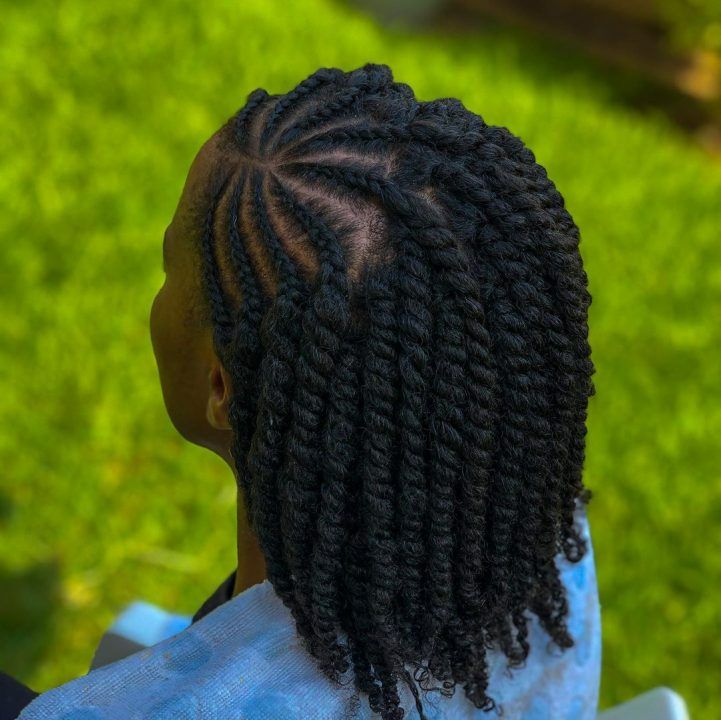
Beauty and protection can coexist. Try styles that look good without tugging at the scalp:
- Knotless braids
- Loose Senegalese twists
- Wigs worn on lightly braided natural hair
- Silk presses done occasionally, not constantly
- Low buns and side parts
- Roller sets, flexi-rod sets, twist-outs
Your hairline will thank you.
The Emotional Side of Hair Damage
Hair isn’t just physical. Losing edges or experiencing breakage can affect confidence deeply, especially when hair is tied to femininity, identity and self-expression.
That’s why protecting your hair is not vanity, it’s care. It’s choosing long-term confidence over short-term perfection.
Read Also: How Hair Affects Confidence
Something to Keep in Mind
High-tension hairstyles are not the enemy, tension without rest is.
We don’t have to stop loving braids, frontals, ponytails or any other style. We just need to listen to our hair, be kinder to our scalp and stop treating pain as the price for beauty.
Because the goal has never been to look good only today, but to look good today, tomorrow and years from now.