
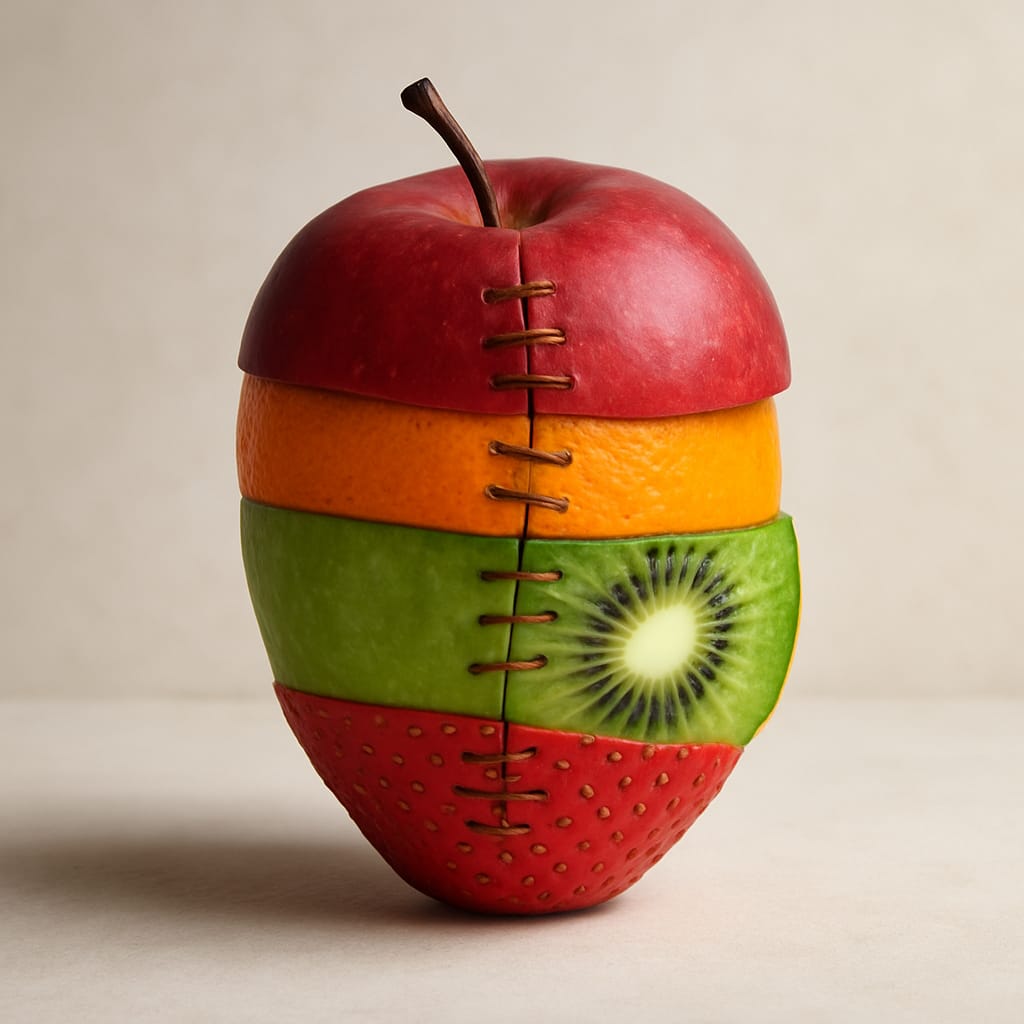
When we think of fruits and vegetables, we often picture them as nature’s perfect gift, untouched, wild, and exactly how they’ve always been. But many of the foods we eat today didn’t originally grow that way. They were carefully developed by humans through a process called selective breeding, where plants are slowly modified over time to improve taste, size, texture, and nutrition.
In other words, they’re man-made, not in a lab with chemicals, but through smart farming and natural plant cross-breeding over many years. Let’s look at 10 common fruits and vegetables you probably didn’t know were man-made.
1. Carrots
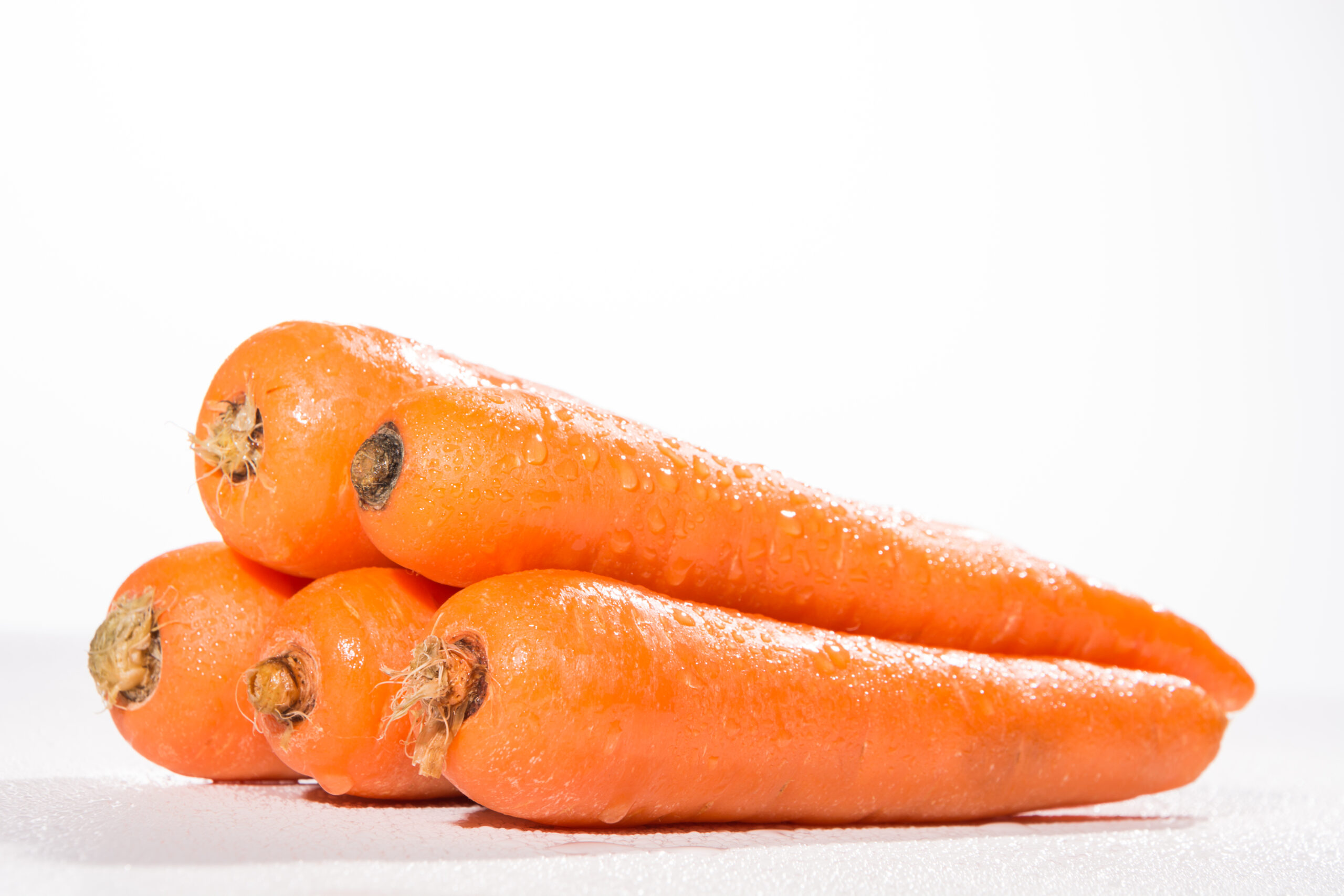
Carrots didn’t always look like the bright orange ones we eat today. Long ago, wild carrots were small, hard, and mostly purple or white. They weren’t very sweet and were used more for medicine than for food.
It was around the 10th century in Persia (modern-day Iran) that people started improving carrots by growing only the ones that were bigger and better tasting. Later, in the 1600s, Dutch farmers created the sweet orange carrot we know today by mixing different types of carrots to get a better flavour, colour, and texture.
2. Strawberries
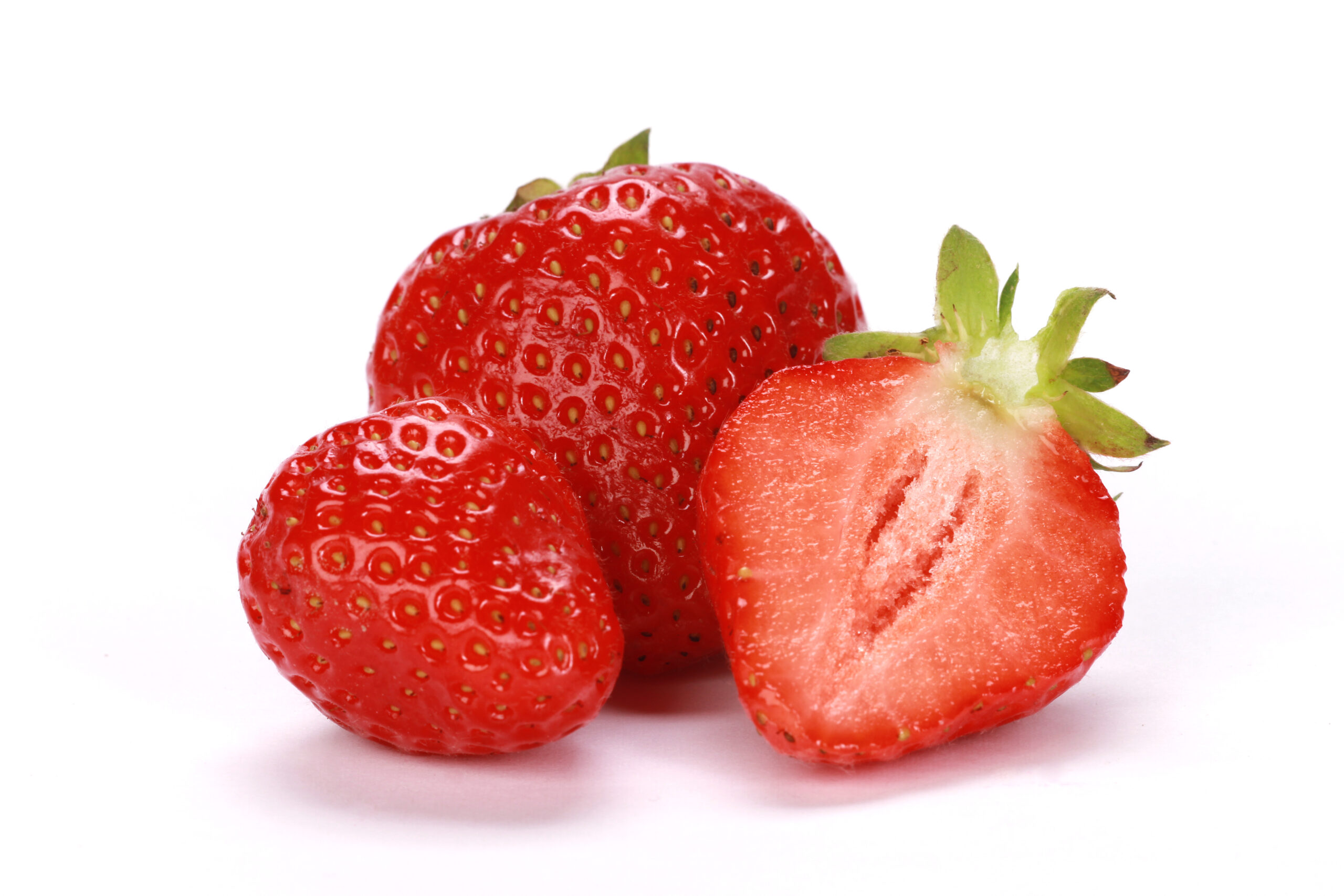
Today’s strawberries are a human-made hybrid. In the 1700s, two wild species, one from North America and the other from Chile were crossbred by French farmers to create a larger, juicier fruit. Over time, additional varieties were developed to enhance sweetness, size, and shelf life. Wild strawberries still exist, but they’re much smaller and less sweet than the ones we find in stores today.
3. Broccoli
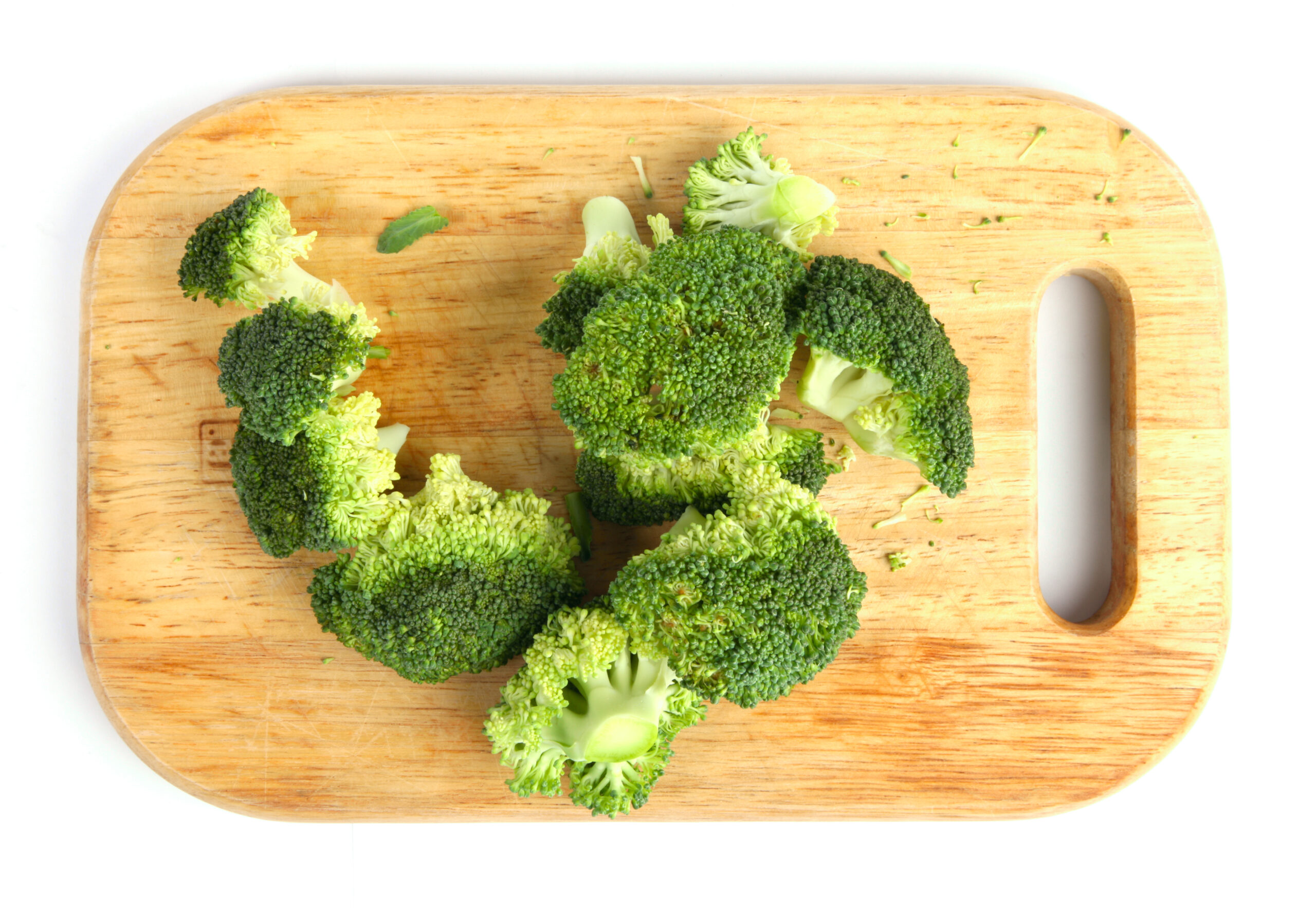
Broccoli didn’t grow naturally in the wild, it was created by humans through selective breeding from wild cabbage. It was developed by the ancient Romans, who selected and grew plants for their edible flower buds. Over centuries, they shaped the vegetable into what we now call broccoli. It’s closely related to cauliflower, kale, cabbage, and Brussels sprouts, all of which come from the same wild ancestor.
4. Oranges
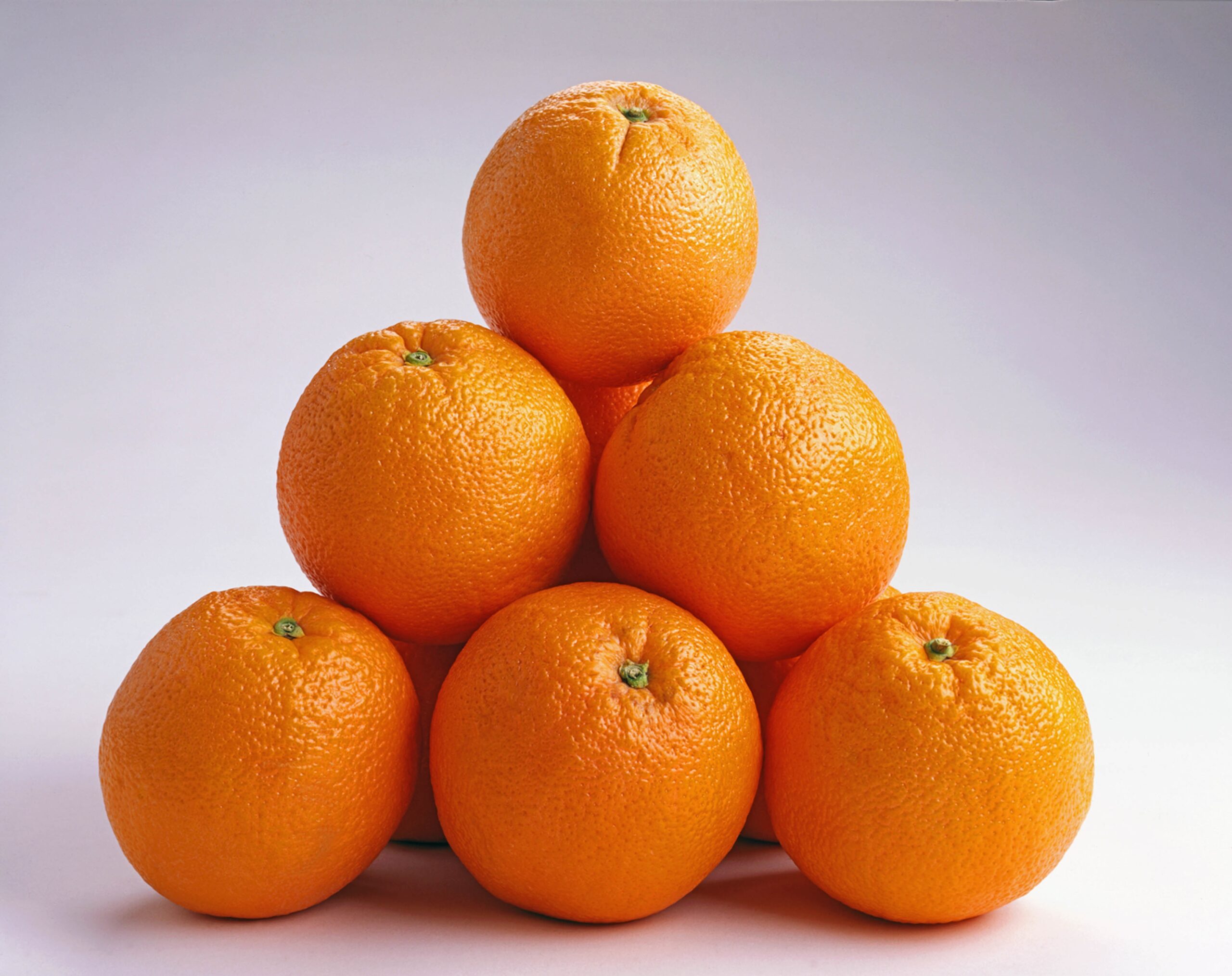
Oranges are not naturally occurring fruits. They are a hybrid between pomelo and mandarin. This crossbreeding happened in Southeast Asia thousands of years ago. Since then, multiple varieties have been created, including sweet oranges, blood oranges, and seedless oranges.
5. Bananas
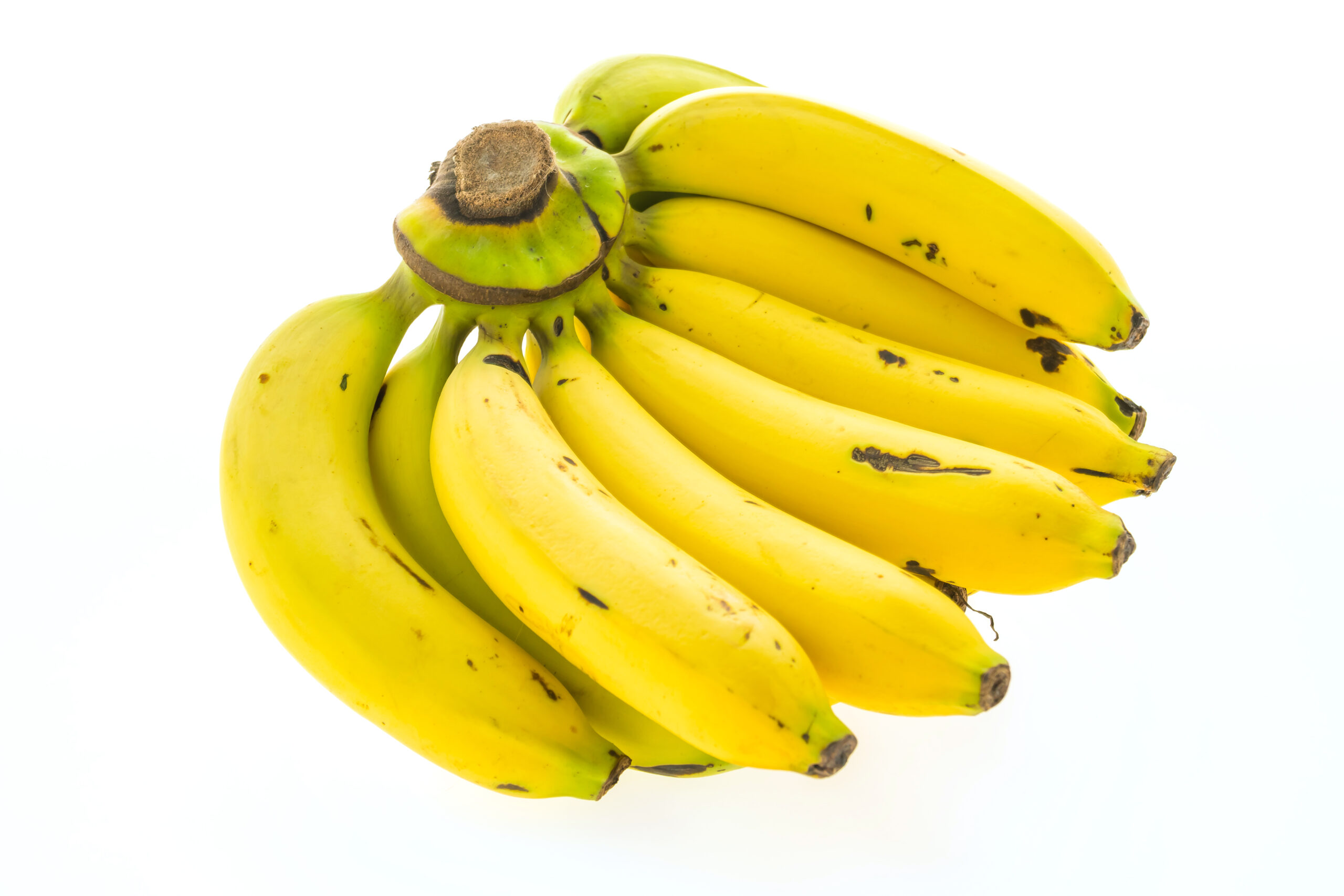
Wild bananas were full of large, hard seeds and had very little flesh. They were almost impossible to eat. Modern bananas, especially the popular Cavendish type, were developed through selective breeding to be seedless, soft, and sweet. However, because they are sterile, they can only be grown through cloning, which means they can’t reproduce naturally without human help.
6. Grapefruit
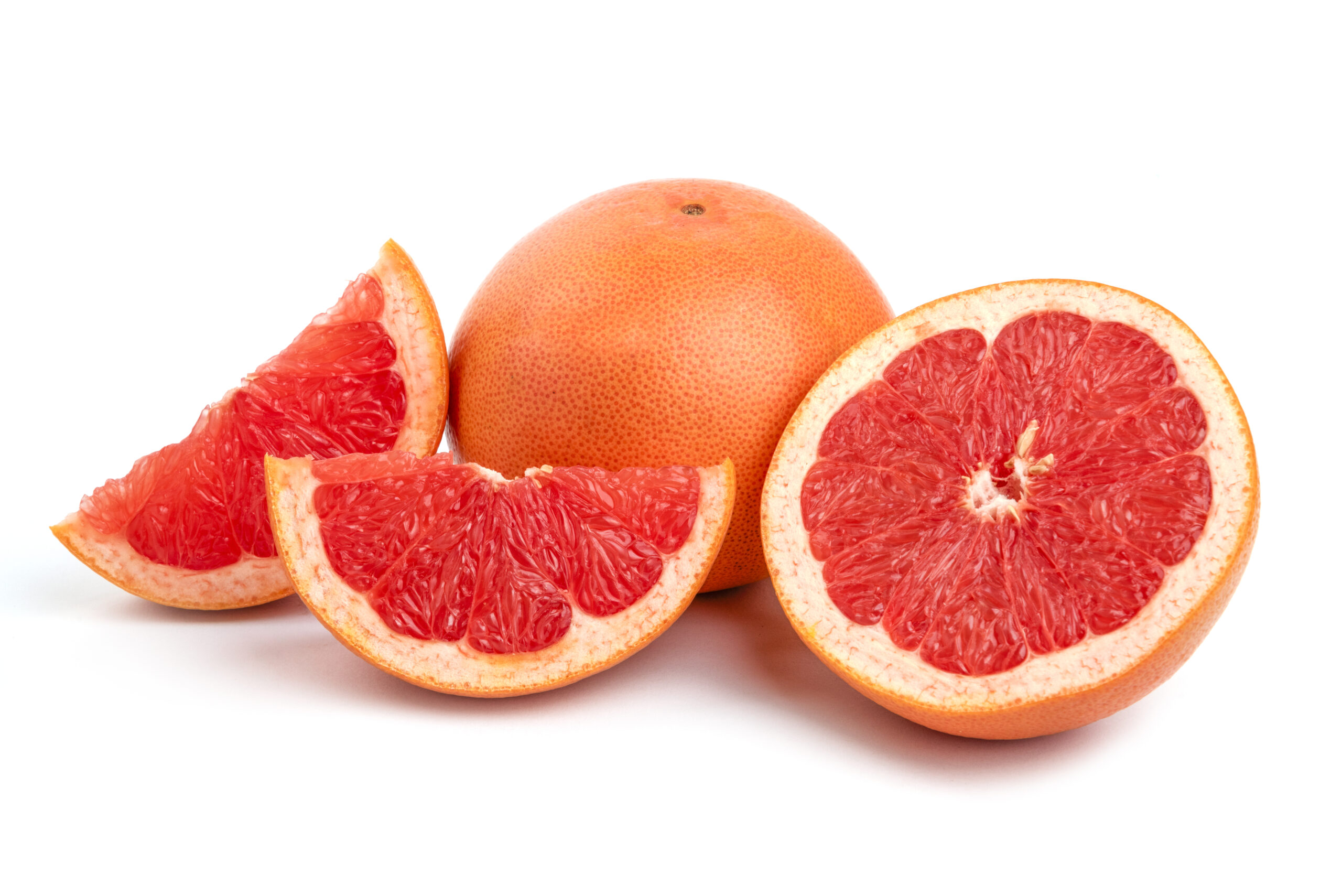
Grapefruit is a relatively new fruit, created in the 18th century when sweet orange (itself a hybrid) was crossed with pomelo. It was first discovered in the Caribbean and later cultivated further in the U.S. to reduce its bitterness and improve taste. Pink and red grapefruit varieties were also developed to make the fruit sweeter and more appealing.
7. Kale
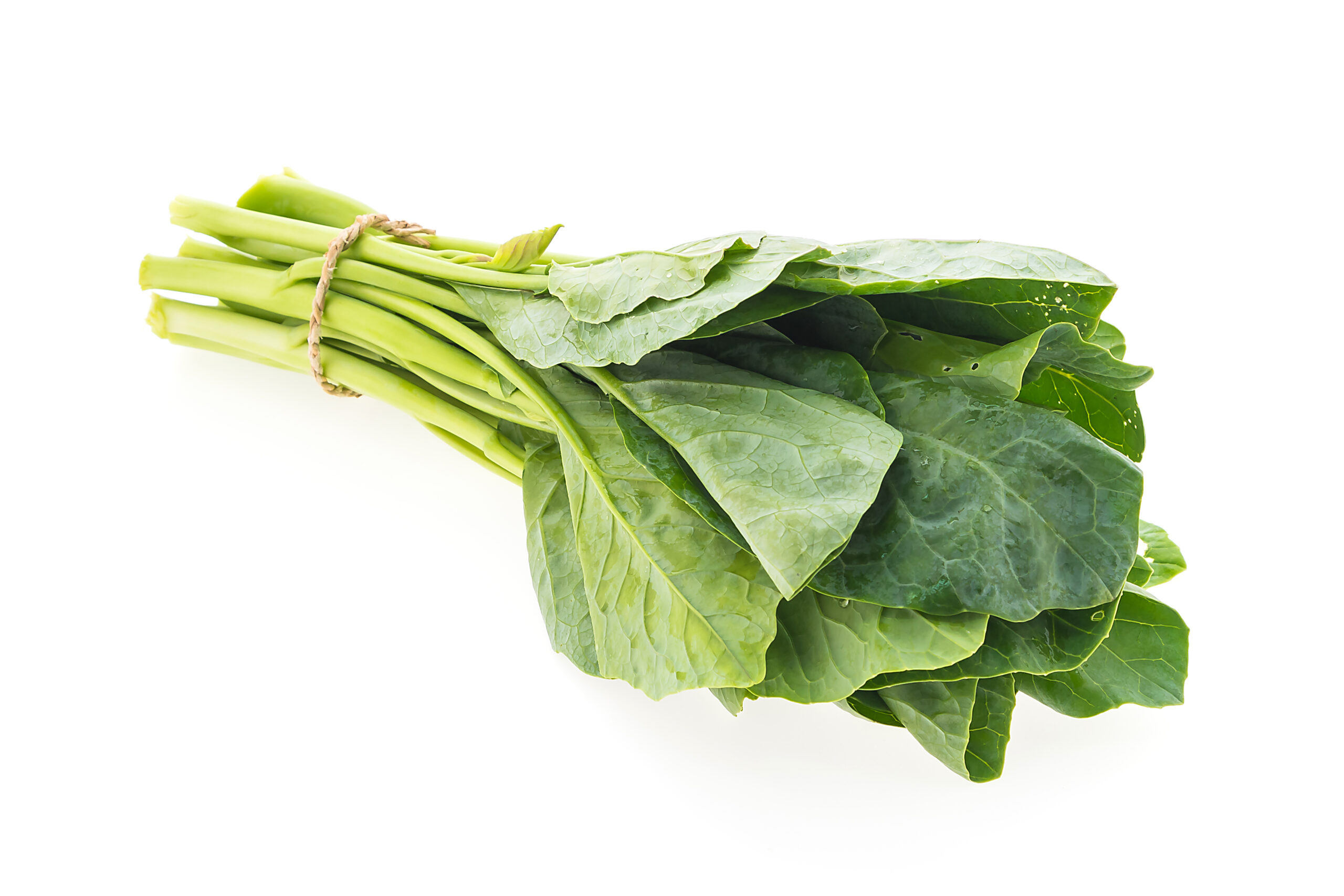
Kale is one of several vegetables developed from the wild mustard plant. Ancient farmers selected mustard plants for their large, edible leaves ,and over time, kale was born. It has since become popular for its high nutritional value, but it’s not a wild plant. It was shaped through careful farming, just like cabbage, broccoli, and cauliflower.
8. Watermelon
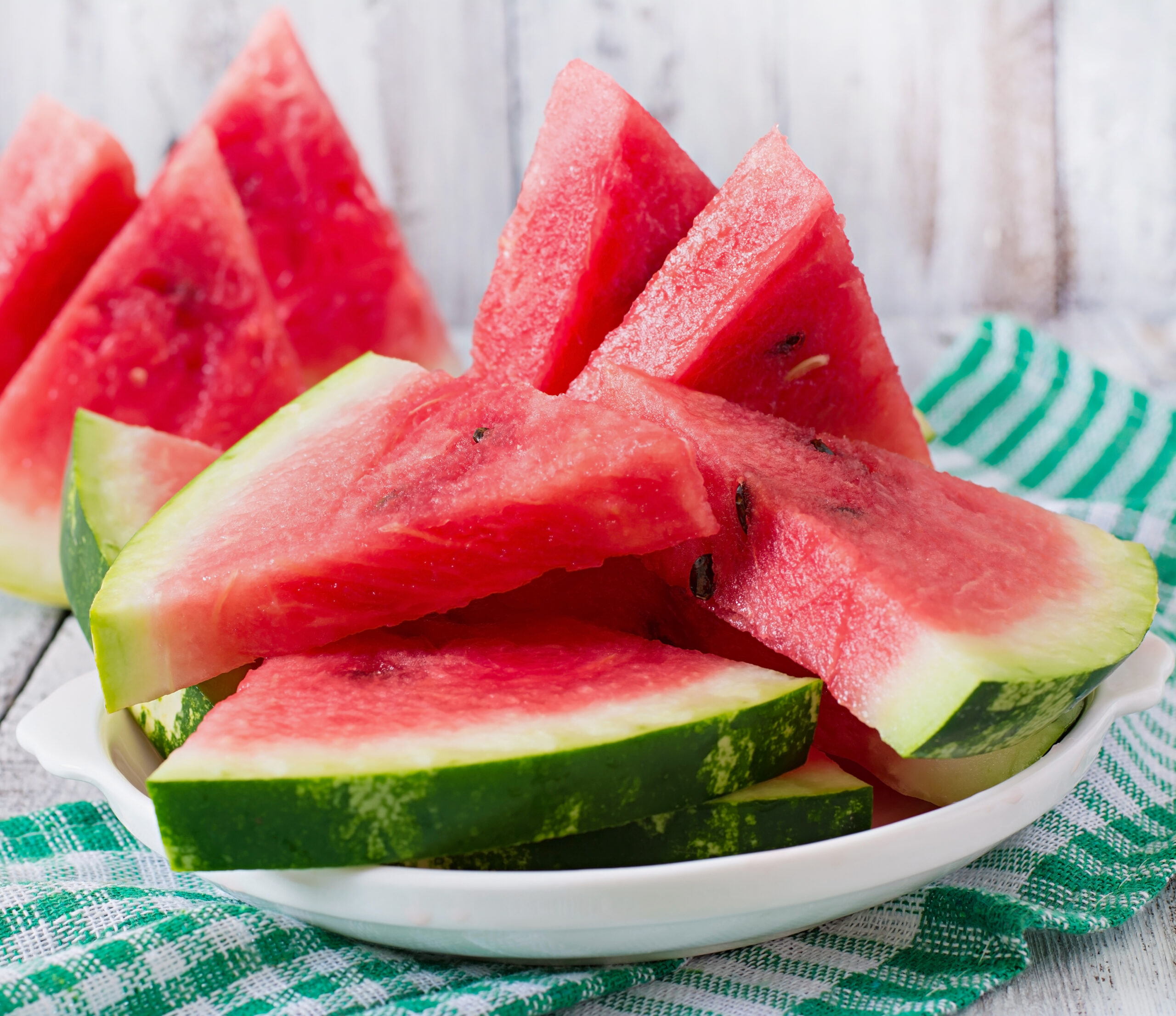
Ancient watermelons looked nothing like what we eat today. They were small, had pale or white flesh, and were bitter. Over 5,000 years of cultivation, farmers in Africa and the Middle East gradually bred watermelons to be larger, redder, and sweeter.
9. Corn (Maize)
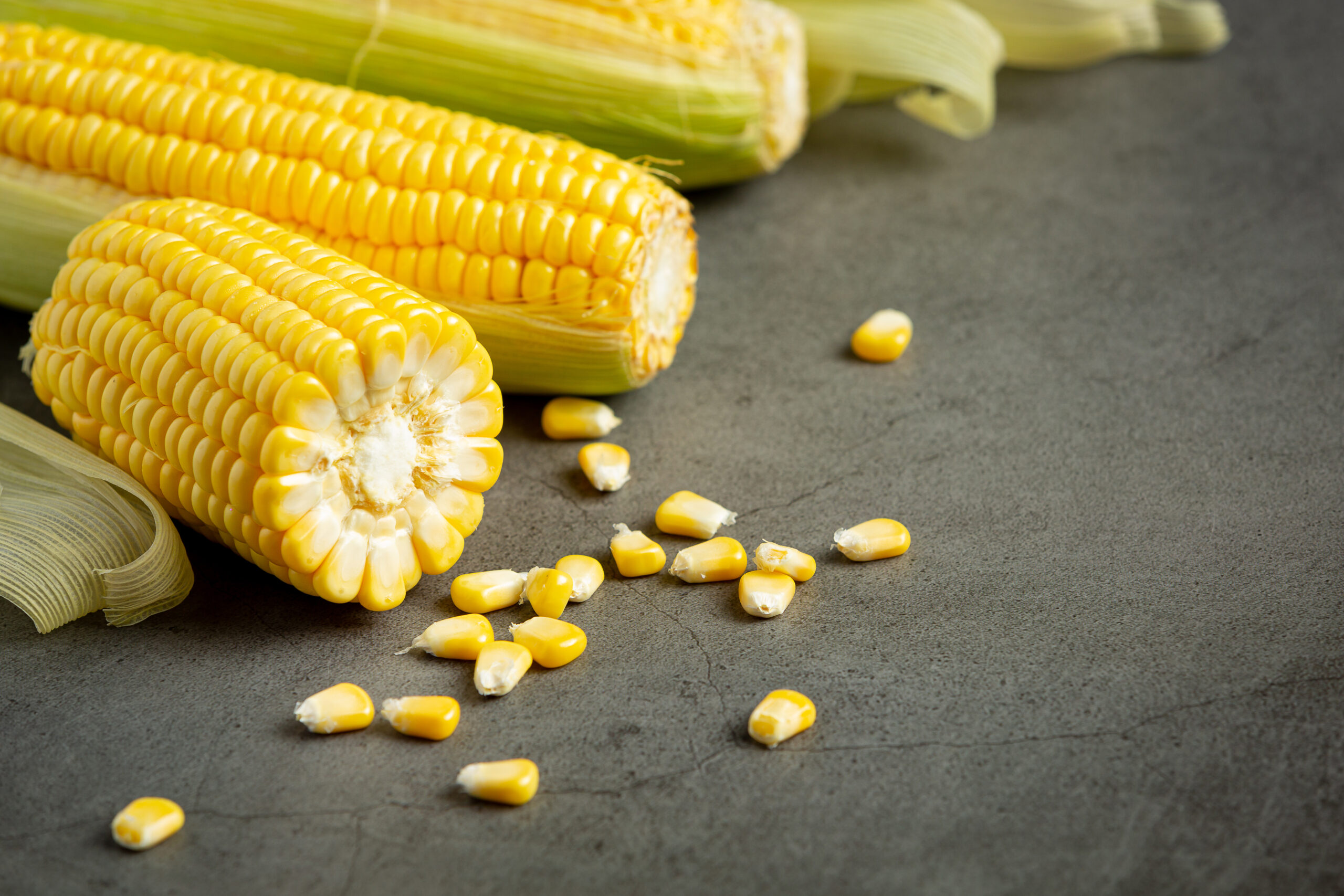
Corn was developed from a wild grass called teosinte, native to Mexico. Teosinte had tiny, tough kernels that weren’t suitable for food. Over thousands of years, Indigenous farmers bred it into the large, juicy ears we now know as corn. Modern sweet corn has been specially bred to enhance its flavor and tenderness.
10. Apples
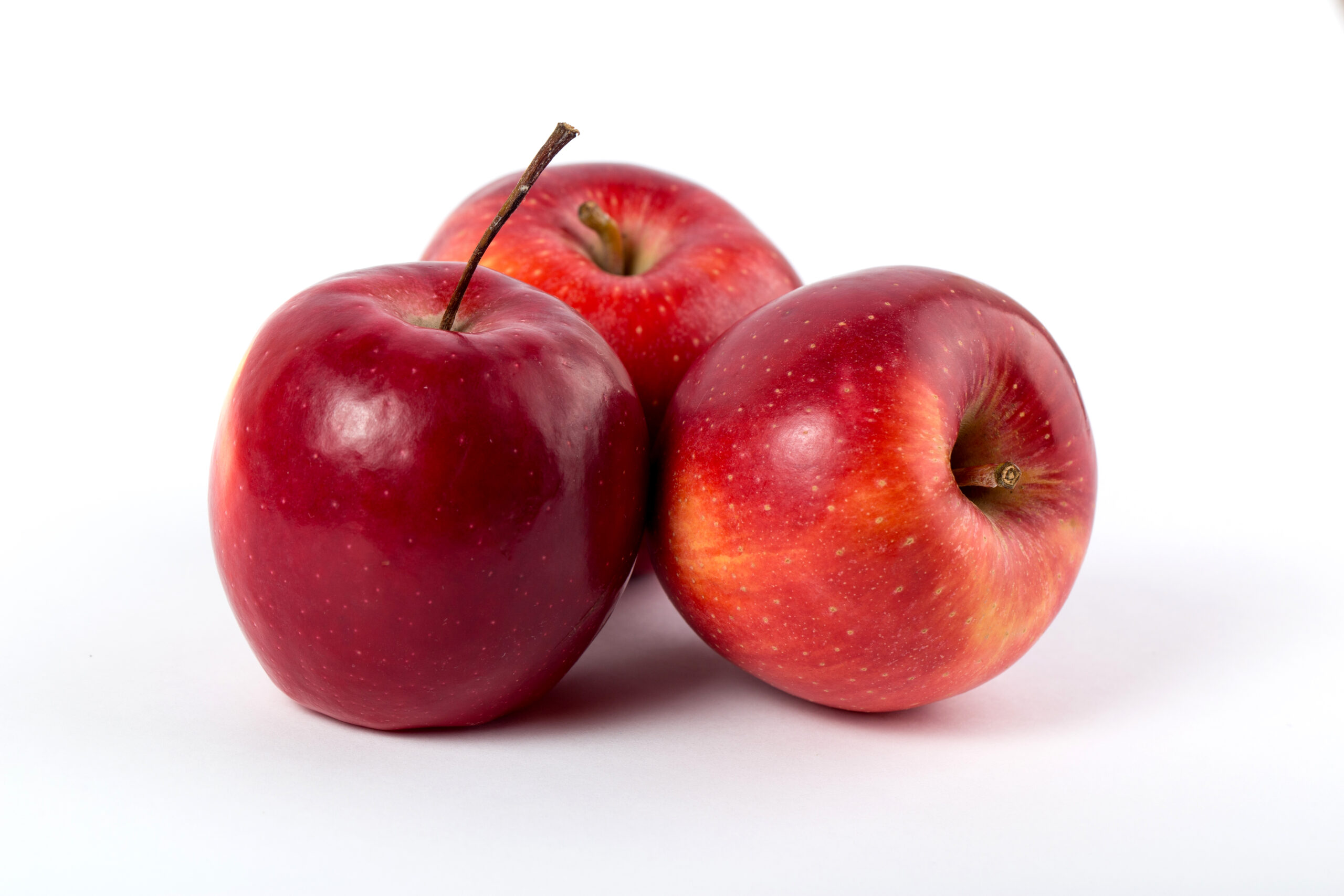
Apples have been around for thousands of years, but the sweet and crunchy ones we enjoy today didn’t always look or taste like this. Long ago, wild apples were small, sour, and full of seeds.
Over time, farmers began selecting and planting only the trees that produced sweeter and bigger fruits. That’s how we ended up with the red and green apples we now see in shops and supermarkets, the red ones are usually sweeter, while the green ones are more sour and crunchy.
Final Thoughts
God gave us the raw materials , the seeds, the soil, the sun. But over time, humans shaped many of the fruits and vegetables we now call “natural.” Through generations of careful farming, they were bred to be sweeter, softer, bigger, or more colorful.
It’s interesting to realize that what we often think of as purely “natural” has actually been shaped by centuries of choices, by farmers, scientists, and communities trying to make food more enjoyable or easier to grow.
If you follow Dr. Sebi’s alkaline lifestyle, you’ll want to avoid these man-made or hybrid foods, because they may not align with the body’s natural balance. But if you’re not fully on that path, these foods, when eaten in moderation and in their most whole form, can still offer nourishment and support a healthy life.
As with everything, the key is being informed and intentional with what you eat.