
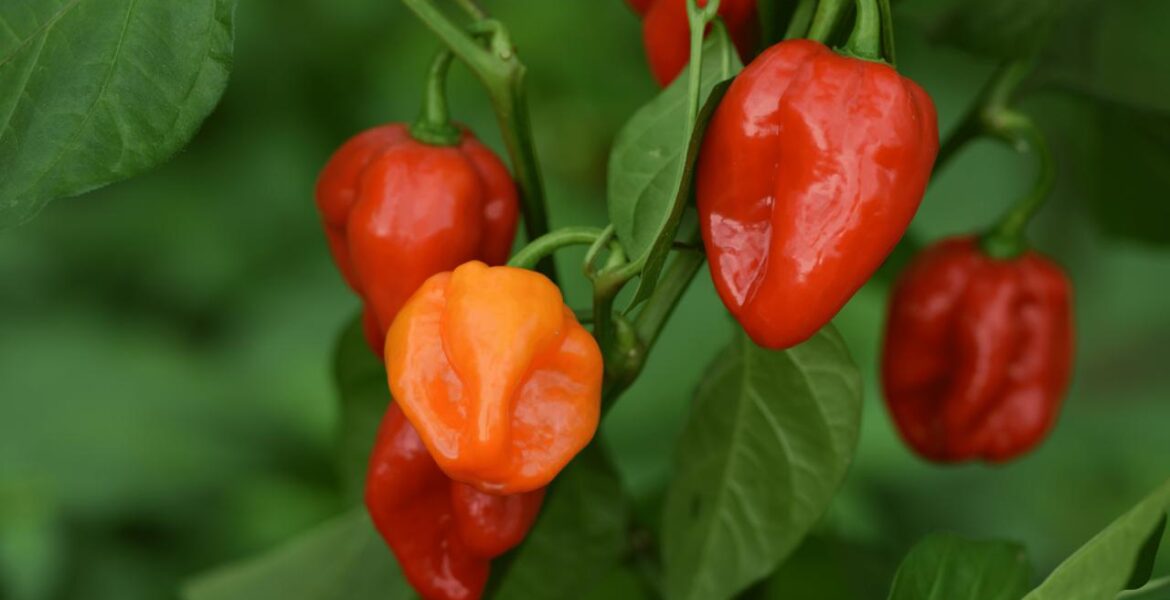
The first time I cooked with habanero peppers, I knew things had changed in my kitchen. The flavor hit differently, bold, rich, and full of character. The heat wasn’t just hot for the sake of being hot; it added excitement and depth. Suddenly, my regular stews, sauces, and even eggs tasted like something out of a restaurant.
If you love food that wakes up your taste buds and adds that extra spark, then habanero peppers are worth keeping close. They’re not your regular pepper, they bring a flavor that makes you look forward to cooking again.
1. What Exactly Is a Habanero?
Habanero peppers belong to the Capsicum chinense family, the same big family that gives us most of our beloved spicy peppers. But the habanero stands out for its unique combination of heat and a fruity, slightly floral aroma.
On the Scoville Heat Scale, they rank between 100,000 to 350,000 units, that’s way hotter than your average pepper. But beyond the fire, there’s something deeply satisfying about its taste. That quick punch of heat followed by a lasting flavor makes every bite unforgettable.
2. Habanero vs Scotch Bonnet, What’s the Difference?
Many people mix them up, but habaneros and scotch bonnets each have their own charm. They come from the same family but differ in flavor. The scotch bonnet is sweeter and more tropical, it gives that warm, fruity note we love in pepper sauce.
Habanero, on the other hand, has a smokier, citrusy flavor. It gives meals a deeper taste that’s slightly more complex. So, if you want sweetness with fire, go for scotch bonnet. But if you want that smoky depth that lingers beautifully on your tongue, the habanero is your best friend.
3. How to Use Habanero in Your Meals
Start small, trust me, a little goes a long way. Slice just half or one pepper, and if you’re not used to heat, remove the seeds before adding it to your food.
Habanero pairs beautifully with tomato sauces, grilled meat, or even seafood. I’ve used it in stew, spaghetti sauce, and even scrambled eggs, and it transforms each meal completely.
If you want to balance the heat, mix it with creamy bases like coconut milk. The goal is to enjoy the spice, not to suffer through it.
4. What Makes Habanero Different (and Better!)
What I love about habaneros is that they don’t just add heat, they add personality. The aroma alone can change how your kitchen smells. It’s fruity, smoky, and slightly citrusy. The heat builds gently and stays just long enough to remind you it’s there, not too much, not too little.
Unlike peppers that burn quickly and disappear, habaneros give you layers of flavor. You taste it, feel it, and enjoy it. Every bite has something going on, and that’s what makes them special.
5. The Health Benefits of Habanero Peppers
Beyond the flavor and fire, habanero peppers are surprisingly good for you. Here are a few benefits worth knowing:
Boosts metabolism: The compound capsaicin (which gives it the heat) helps speed up metabolism and can aid digestion.
Rich in Vitamin C: Habaneros are packed with vitamin C, which supports immunity and helps keep the skin healthy.
Improves heart health: Capsaicin may help reduce cholesterol levels and support better blood circulation.
Relieves congestion: That natural heat can help clear blocked sinuses when you’re feeling stuffy.
Mood booster: Eating spicy food releases endorphins — the “feel-good” hormones that can lift your mood.
6. Tips and Safety, Because This Pepper Means Business
Let’s be honest, habaneros are not the kind of pepper you handle carelessly. Here are a few things to keep in mind:
- Wear gloves if you can — the oils can stick to your hands for hours.
- Don’t touch your eyes or face after cutting — it burns intensely.
- Store properly: keep them in a cool place or refrigerate if fresh.
- Go easy on the quantity: especially when cooking for guests who might not love too much heat.
I learned this the hard way, but once you get used to handling them carefully, cooking with habaneros becomes second nature.