As little girls, many of us watched women being praised for their strength. Not the kind of strength that comes from joy or self-respect, but the kind that looked like doing everything for everyone, all the time, without ever asking for help.
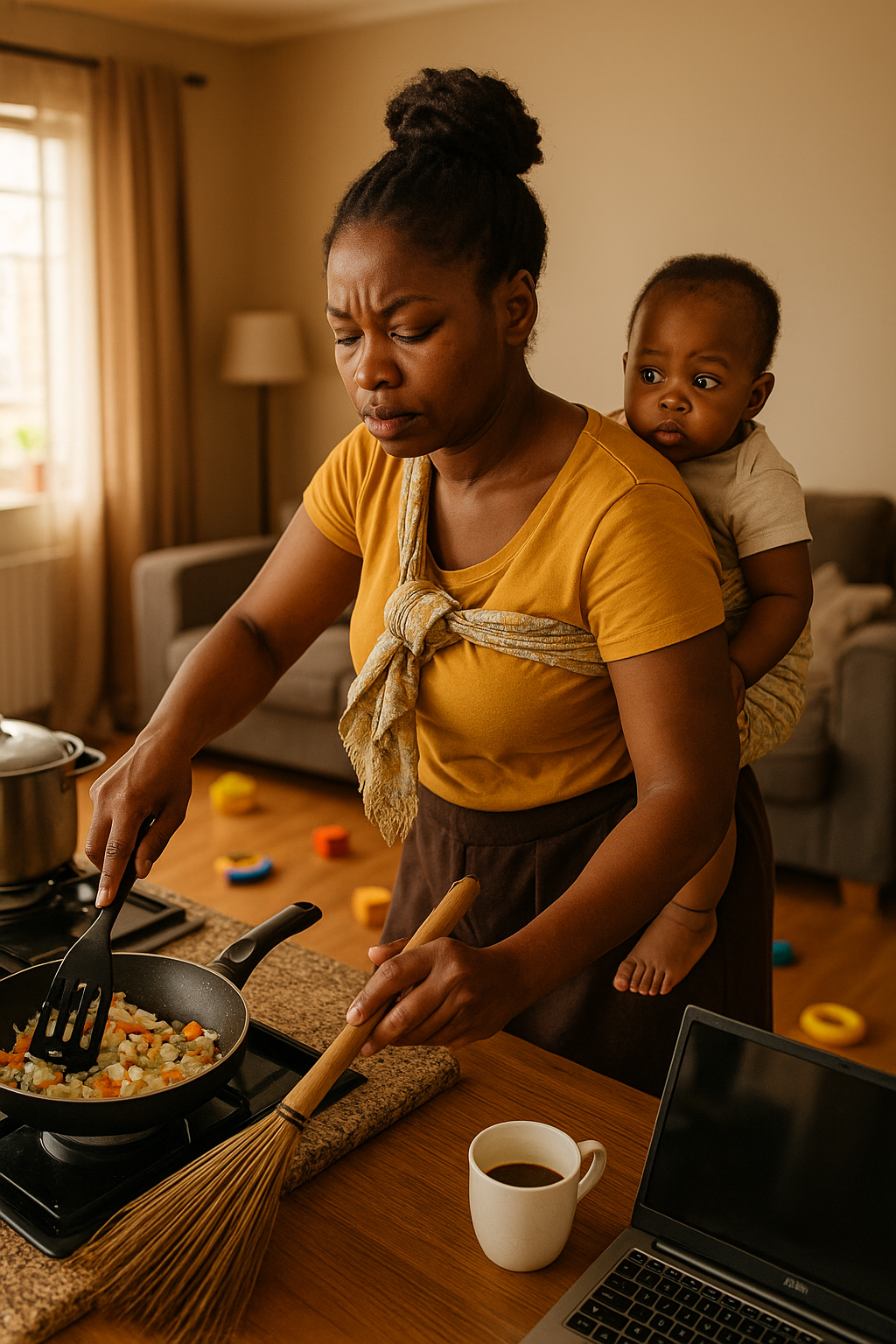
A woman was “strong” if she cooked every meal from scratch, cleaned the entire house, raised the kids, worked outside the home, and still managed to smile at the end of the day. Her ability to carry it all was admired. Her exhaustion? Often ignored.
I grew up thinking this was something to strive for,that this kind of woman was who I needed to become. A woman who never stopped. Who never complained. Who took care of everyone else while somehow needing nothing herself. I believed that was what made a woman valuable. That was what made her “good.”
But as I grew older, I started to see the cost. I heard stories — real stories — of women who gave everything they had, down to the last ounce of themselves, and were barely remembered before life moved on without them.
I’ve heard of women who passed quietly, from stress, depression, exhaustion, undiagnosed health conditions. And then shortly after, the family finally got help. They hired a maid. They found someone to share the load. The very things she needed while alive suddenly became available… after she was gone.
And you can’t help but wonder: Why wasn’t she given that help when she needed it most? Why did she have to carry it all?
The truth is, many didn’t ask. Because they believed they weren’t supposed to. Because the world had taught them that needing help made them weak. And in trying to live up to an impossible standard, many women broke under the constant pressure to hold everything together.
Redefining What Strength Really Means
Real strength isn’t about how much you can suffer in silence.
It’s not about how long you can survive without sleep, or how many tears you can hide behind a smile.
True strength is knowing when to stop.
It’s being brave enough to say, “I need help.” It’s choosing to rest because you know you matter too.
The idea that a woman must do it all to be worthy is not only unhealthy, it’s dangerous. It leads to burnout, resentment, and in many cases, serious health issues that could have been prevented.
We need to start normalizing balance. We need to start teaching our daughters that asking for help doesn’t mean weakness.
You Deserve Support, Not Suffering
Every woman deserves support. Whether you’re a stay-at-home mum, a working mum or a single mum, you don’t have to carry it all on your own. You deserve time to breathe, to rest, to eat well, to sleep well, to take a break without guilt.
You deserve to feel alive, not just useful. To laugh without always thinking about the next task.
So the next time someone calls you a “strong woman,” pause and ask yourself: What does that really mean? If it means sacrificing your health, your peace, and your well-being, then maybe it’s time we gave that version of strength a new name.