
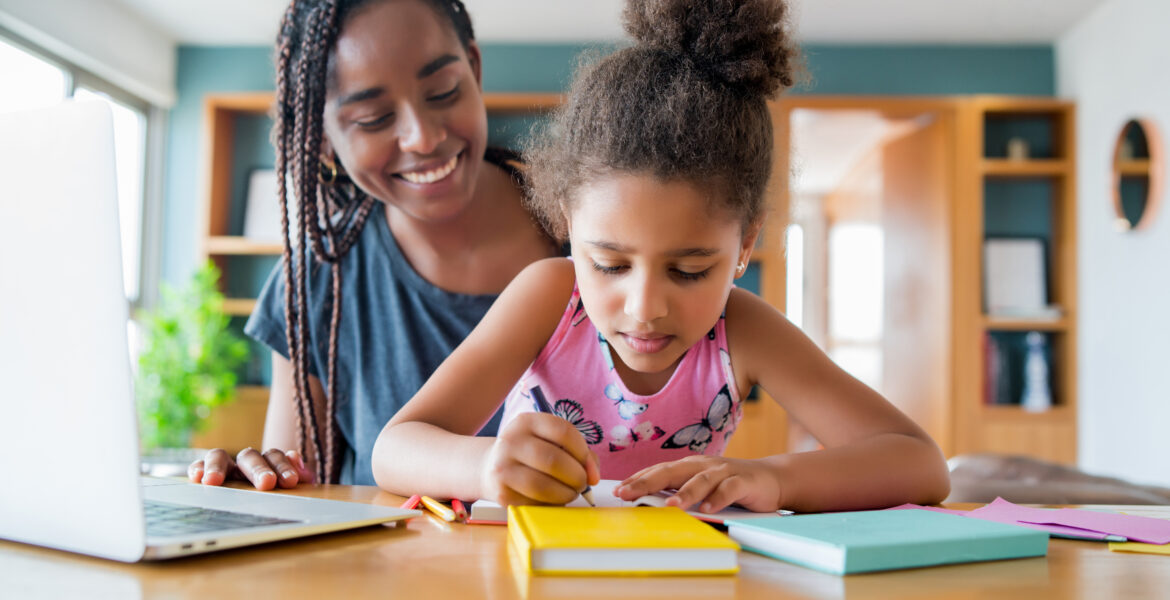
Parenting today looks very different from what it used to be. Beyond demanding work schedules and unpredictable routines, many parents are also becoming more intentional about the environments their children learn in and the values they grow up with.
Schools are evolving, the world is changing fast, and sometimes the lessons children pick up — inside and outside the classroom — don’t always align with what parents want them grounded in.
Because of this, more mums are rethinking traditional schooling. Some are choosing remote learning or homeschooling to build a strong foundation first, shaping their children’s minds with the right values, teaching them truth, character, and God honoring principles while they are still young and impressionable. Others simply need a learning structure that fits their work life, lifestyle, and the realities of modern family living.
Most mums are not trying to run a perfect classroom at home. They just want a system that works, something that makes sense for their child, their schedule, and their everyday life. And that’s where remote learning and flexible routines come in: not as a complete replacement for school forever, but as a supportive structure that helps the whole family function better and gives children the grounding they need before stepping fully into the world.
This guide breaks down what actually works for busy mums who want to support learning at home in a way that’s peaceful, practical, and well-rooted in intention.
1. Build a Routine That Helps You, Not One That Controls You
A routine should feel supportive, not suffocating. Forget rigid timetables and color-coded charts if they don’t match your reality.
A realistic routine might look like:
- Slow mornings
- Breakfast before lessons
- Short learning blocks
- Play breaks
- Quiet time
- Independent activities in between
The goal isn’t to copy a traditional classroom. It’s to create a rhythm your child understands and one you can maintain without daily burnout.
2. Keep Lessons Short, Children Learn Better This Way
One of the myths about home learning is that it requires long hours. It doesn’t. Children learn more effectively when learning is broken into shorter sessions.
For younger kids:
- 20–30 minutes per lesson
- Short breaks in between
- Mix of reading, writing, hands-on tasks, and visuals
- Shorter lessons reduce pressure on both mum and child, keeping learning simple, effective, and enjoyable.
3. Create a Learning Corner, Not a Full-Classroom Setup
You don’t need a fancy space, pinterest aesthetics or matching supplies. A small, defined area does the job:
- A clean table
- Good lighting
- Simple supplies
- Limited distractions
Children focus better when they know “this is where we learn,” even if it’s just a corner of the dining table. Structure doesn’t need to be complicated.
4. Use Technology as a Tool, Not a Replacement
Digital resources can make home learning easier for both mums and children. Not everything has to be taught manually.
Helpful tools include:
- YouTube learning channels
- Educational apps
- Audiobooks
- Printable worksheets
- Interactive reading tools
Technology keeps your child engaged and gives you breathing room, especially when you’re juggling multiple responsibilities.
5. Let Real Life Teach Sometimes
Not every learning moment comes from books. Children learn from life happening around them.
They learn from:
- Cooking
- Sorting groceries
- Helping in the kitchen
- Cleaning and organizing
- Conversations
- Nature walks
- Creative play
These moments build practical intelligence, something traditional schooling often overlooks.
6. Encourage Independent Work
Busy mums don’t have the luxury of sitting beside their child all day. And that’s perfectly fine.
Teach your child to:
- Read on their own
- Complete simple tasks
- Do worksheets independently
- Practise handwriting alone
- Engage in purposeful play
Independence is an essential skill, and home learning helps build it naturally.
7. Give Yourself Permission to Be Human
Some days will go well. Others won’t. Some routines will work today and fail tomorrow.
Some lessons will click immediately, others might take time. And none of this means you’re failing.
You are balancing motherhood, work, home life, and your own wellbeing. That alone is enough. The goal is not to get everything right, but to create progress, peace, and moments that matter.