
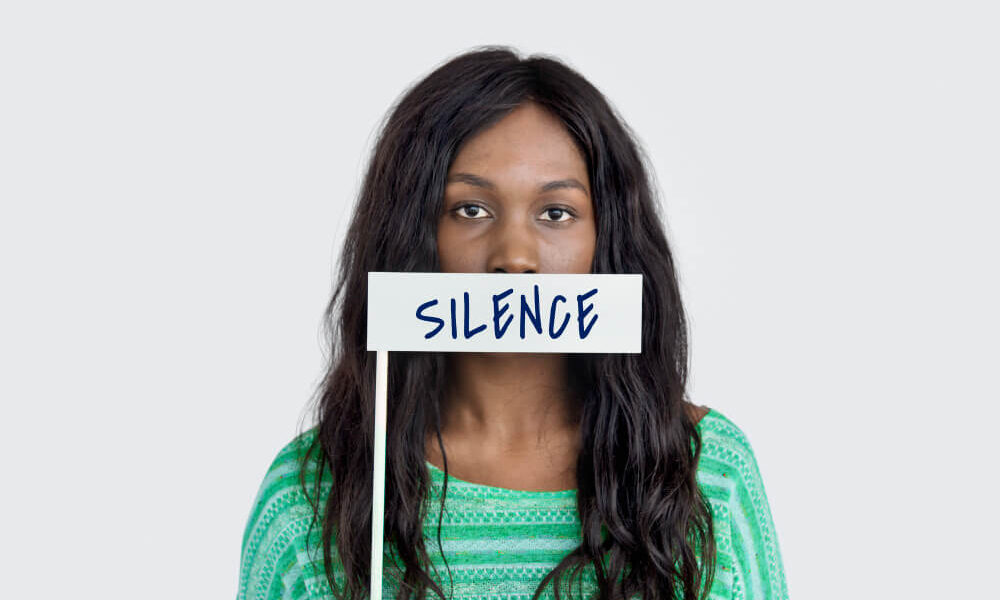
Conversations about gender-based violence often begin when harm has already happened — but prevention starts long before a courtroom, a protest or a trending hashtag.
It begins in childhood, in the conversations we choose to have and the ones we avoid, in what we normalise inside our homes, and in what we allow to pass as “culture.”
Violence is not created overnight. It is shaped over years through the lessons children absorb about power, love, boundaries and accountability. If we want a generation that rejects abuse, we must raise boys and girls who recognise dignity — theirs and others’.
What Children See Becomes Their First Standard
Before a child understands lectures, they understand patterns. If conflict is settled through shouting or intimidation, if one person’s feelings consistently matter more than the other’s, if fear is disguised as “respect,” that becomes the blueprint for adulthood.
- how disagreements are handled,
- how apologies are given,
- how men and women treat each other,
- how anger is expressed,
- how forgiveness is sought,
- how responsibility is shared.
Consent Is Not a Topic for Later

Many adults struggle with boundaries because consent was dismissed in childhood. “Go and hug him.” “Say yes.” “Don’t complain.” These sentences may feel harmless, but they teach children that discomfort is irrelevant as long as someone older makes the request.
- You are allowed to say no.
- When someone says no, you respect it.
- Your body belongs to you.
- Other people’s bodies belong to them.
Boys Need Permission to Feel. Girls Need Permission to Speak.
When boys are raised to hide or bottle emotions, frustration often becomes their only emotional outlet. And when girls are raised to shrink themselves for peace, silence becomes their default response to harm.
Teaching boys emotional literacy is not weakness; it is preparation. Teaching girls confidence in their voice is not rebellion; it is safety.
Equality Begins at Home
It is impossible to fight GBV publicly while reinforcing inequality privately. When chores, privileges and expectations are divided by gender rather than ability or fairness, children internalise a hierarchy that follows them into adulthood.
This is not modern ideology — it echoes the biblical truth that men and women were created with the same value, the same honour and the same responsibility before God.
Accountability Without Shame
Correction is necessary, but humiliation is harmful. A child who is disciplined with cruelty learns that power gives permission to degrade others. A child who is disciplined with boundaries and explanation learns that mistakes are part of learning, not an invitation to dominate or violate.
When Real Stories Show the Cost of Silence
The need to teach dignity, consent and safety early is not theoretical — the consequences of ignoring these issues are lived by real children. In Nigeria, the case of 13-year-old Ochanya Ogbanje remains one of the most painful reminders.
 The need to teach dignity, consent and safety early is not theoretical — the consequences of ignoring these issues are lived by real children. In Nigeria, the case of 13-year-old Ochanya Ogbanje remains one of the most painful reminders.
Ochanya died in October 2018 from complications linked to years of alleged sexual abuse by relatives who were meant to protect her. According to reporting by Premium Times, calls for justice surrounding her case continue years after her death, as the nation confronts how systems failed her and how deeply abuse can hide inside ordinary homes.
Her story illustrates why lessons about boundaries, safety, accountability and respect cannot wait until adulthood. When children are not taught that their voices matter — and when adults fail to act when something is wrong — the consequences can be irreversible.
If Change Will Happen, It Will Start at Home
GBV is not only a criminal issue, it is cultural. It is inherited when harmful patterns go unchallenged. We cannot skip childhood and expect kindness in adulthood. We cannot ignore early warning signs and expect peace later.
If we teach children that love is honour, that power is stewardship not dominance, that “no” is a complete sentence, that responsibility is not optional and that men and women are equal in value, then violence loses the soil it grows in.
The Next Generation Is Watching
Whether we like it or not, society tomorrow will look like the homes we are building today. Prevention is not accidental. It is intentional parenting, intentional modelling and intentional truth.
We cannot rewrite the past. But we can shape the next story, one built on dignity, respect and safety in every home.